The 75 Medium Challenge has emerged as one of the most popular fitness and personal development programs of our time. According to the CDC's Physical Activity Guidelines, adults need at least 150 minutes of moderate-intensity activity weekly for health benefits. Unlike its more intense counterpart, 75 Hard, this balanced approach to self-improvement offers a sustainable path to transformation without the extreme demands that often lead to burnout or injury.
Whether you're a complete beginner looking to establish healthy habits, a busy professional seeking structure in your wellness routine, or someone who tried 75 Hard and found it unsustainable, the 75 Medium Challenge provides the perfect middle ground. Research from the American Psychological Association confirms that sustainable behavior changes require realistic, achievable goals. It's challenging enough to create real change, yet flexible enough to fit into your actual life.
In this comprehensive guide, we'll cover everything you need to know: the exact rules, how it differs from 75 Hard and 75 Soft, detailed workout and nutrition strategies, mindset techniques, tracking methods, and real transformation stories from people who've completed the challenge. By the end, you'll have a complete roadmap for your own 75-day journey.
📋 Quick Overview
The 75 Medium Challenge is a 75-day personal development program that focuses on building sustainable habits through daily workouts, mindful eating, hydration, reading, and self-reflection. It's designed to be challenging but achievable for most fitness levels.
What Is the 75 Medium Challenge?

The 75 Medium Challenge is a structured 75-day personal development program designed to build mental toughness, physical fitness, and lasting healthy habits. According to NIH research on habit formation, it takes an average of 66 days to form a new habit, making the 75-day timeframe ideal for lasting behavioral change. It was created as a more accessible alternative to the original 75 Hard program, maintaining its transformative benefits while removing the extreme elements that cause many people to fail or injure themselves.
At its core, the challenge is about consistency over intensity. The American College of Sports Medicine emphasizes that regular, moderate exercise produces better long-term outcomes than sporadic intense workouts. You're not trying to become an elite athlete in 75 days — you're building the discipline and habits that will serve you for the rest of your life. This philosophy makes 75 Medium particularly effective for sustainable transformation.
The Philosophy Behind 75 Medium
The program is built on several key principles that differentiate it from other fitness challenges:
- Sustainability over extremity: The rules are designed to be challenging but maintainable for 75 consecutive days without risking burnout or injury.
- Flexibility within structure: While the daily requirements are non-negotiable, you have freedom in how you fulfill them.
- Holistic development: The challenge addresses physical fitness, nutrition, mental health, and personal growth simultaneously, which is supported by World Health Organization guidelines on comprehensive wellness.
- Habit formation focus: 75 days is chosen specifically because research suggests this timeframe is optimal for forming lasting habits.
- Self-accountability: There are no external rewards or punishments — the challenge is between you and yourself.
Origin and Evolution
The 75 Medium Challenge evolved from the fitness community's response to 75 Hard, which was created by entrepreneur Andy Frisella. While 75 Hard's intensity works for some, many found its requirements — including two 45-minute workouts daily with one outdoors regardless of weather, and zero alcohol or cheat meals — to be unsustainable or even dangerous for their lifestyles.

▶️ Watch: What A Day In The 75 Medium Challenge Looks Like?
75 Medium emerged organically through fitness communities on social media platforms like TikTok, Reddit, and Instagram. It preserves the mental toughness and habit-forming aspects of the original while adapting the rules for broader accessibility. The result is a challenge that maintains transformative power while being achievable for people at various fitness levels and life circumstances.
"The best program isn't the hardest one — it's the one you can actually stick to. 75 Medium gave me structure without setting me up for failure." — Sarah M., completed January
The Complete 75 Medium Rules

The 75 Medium Challenge consists of six daily requirements that you must complete for 75 consecutive days. The Mayo Clinic confirms that daily exercise, even in moderate amounts, provides significant health benefits. Unlike 75 Hard, there is some flexibility built into these rules, but the core commitment remains: do all six things, every single day, for 75 days straight.
📋 The 6 Daily Rules
- One 45-minute workout — Any form of exercise you enjoy
- Follow a diet 90% of the time — Choose any structured eating plan
- Drink 2-3 liters of water — Adjust based on your body weight
- Read 10 pages of a book — Non-fiction or personal development
- Daily mindfulness practice — 5-10 minutes of meditation, prayer, or journaling
- Take a progress photo — Document your journey daily
📏 Rule 1: 45-Minute Daily Workout
Each day, you must complete at least 45 minutes of intentional physical activity. The key word here is "intentional" — this should be a dedicated workout session, not just walking around during your normal activities.
The beauty of 75 Medium is that you choose what counts as your workout. This could include:
- Strength training at the gym
- Running, jogging, or brisk walking
- Yoga or Pilates
- Swimming
- Cycling (indoor or outdoor)
- HIIT workouts
- Sports like basketball, tennis, or soccer
- Home workout videos
- Hiking or outdoor activities
Unlike 75 Hard, you're not required to work out twice daily or do one workout outdoors regardless of weather conditions. This single workout approach is more sustainable and reduces injury risk while still providing significant physical benefits.
Pro tip: Plan your workouts for the week in advance. Having a schedule reduces decision fatigue and makes it easier to stay consistent. Learn more in our complete workout guide.
📏 Rule 2: Follow a Diet 90% of the Time
This is perhaps the most significant departure from 75 Hard's strict "no cheat meals, no alcohol" rule. The 75 Medium approach allows for 90% adherence to your chosen diet, giving you flexibility for social occasions, minor slip-ups, or simply being human.
Here's how the 90% rule works in practice:
- Choose any structured eating plan (keto, Mediterranean, calorie counting, etc.)
- Follow it faithfully for approximately 20-21 meals per week (assuming 3 meals daily)
- Allow yourself 2-3 flexible meals weekly where you can deviate
- Alcohol in moderation is permitted (but not encouraged)
The goal isn't perfection — it's building a sustainable relationship with food. Many find that this approach actually leads to better long-term results because it eliminates the binge-restrict cycle that strict diets often create.
Explore detailed meal plans and nutrition strategies in our 75 Medium Diet Guide.
📏 Rule 3: Drink 2-3 Liters of Water Daily
Proper hydration is essential for physical performance, mental clarity, and overall health. The 75 Medium Challenge requires you to drink 2-3 liters of water daily, with the exact amount depending on your body size, activity level, and climate.
A common guideline is to drink half your body weight in ounces. For example, if you weigh 160 pounds, aim for 80 ounces (about 2.4 liters). During intense workouts or hot weather, increase your intake accordingly.
Tips for hitting your water goal:
- Start your day with a large glass of water before coffee or breakfast
- Carry a reusable water bottle with you throughout the day
- Set hourly reminders on your phone
- Drink a glass before each meal
- Track your intake with a simple app or tally marks
📏 Rule 4: Read 10 Pages Daily
Every day, you must read at least 10 pages of a non-fiction or personal development book. Harvard Health research suggests that reading regularly is associated with longer lifespan and improved cognitive function. Audiobooks don't count for this rule — the purpose is to practice focused attention and active learning, which reading physical or digital text provides in a way that passive listening doesn't.
Book suggestions for the 75 Medium Challenge:
- Atomic Habits by James Clear
- The Power of Now by Eckhart Tolle
- Can't Hurt Me by David Goggins
- Deep Work by Cal Newport
- Mindset by Carol Dweck
- The Subtle Art of Not Giving a F*ck by Mark Manson
Over 75 days at 10 pages daily, you'll read 750 pages — that's typically 3-4 full books. This consistent reading habit can dramatically expand your knowledge and perspective.
📏 Rule 5: Daily Mindfulness Practice (5-10 Minutes)
NIH research on mindfulness meditation shows significant improvements in attention, emotional regulation, and stress reduction. This rule requires a daily practice of intentional mindfulness, which can take several forms:
- Meditation: Guided or silent, focusing on breath or awareness
- Prayer: For those with faith traditions
- Journaling: Reflective writing about your thoughts, goals, or gratitude
- Deep breathing exercises: Structured breathwork practices
The key is consistency and intentionality. This isn't passive relaxation — it's an active practice of training your mind. Many people find this becomes the most valuable habit they develop during the challenge.
Find guided practices and prompts in our meditation and mindfulness guide.
📏 Rule 6: Daily Progress Photo
Take a photo of yourself every day for the full 75 days. This serves multiple purposes:
- Accountability: Creates a daily check-in ritual
- Progress tracking: Visual changes often happen gradually and are hard to notice without comparison photos
- Motivation: Looking back at your journey can be incredibly inspiring
- Documentation: Creates a record of your transformation
Keep your photos consistent: same location, similar lighting, and similar clothing (or lack thereof). You don't have to share these photos — they're for your own reference and can remain completely private.
75 Medium vs 75 Hard: Key Differences

Understanding the differences between 75 Medium and 75 Hard helps you choose the right challenge for your goals and lifestyle. While both are transformative programs, they have fundamentally different approaches.
| Aspect | 75 Medium | 75 Hard |
|---|---|---|
| Workouts | 1 — 45 min (anywhere) | 2 — 45 min (1 outdoors) |
| Diet | 90% adherence | 100% strict, no cheats |
| Alcohol | Moderation allowed | Zero tolerance |
| Water | 2-3 liters (flexible) | 1 gallon (3.8L) exactly |
| Mindfulness | 5-10 min daily | Not required |
| Restart Rule | Flexible approach | Miss one task = Day 1 |
| Injury Risk | Low | Higher |
| Sustainability | High | Moderate |
For a detailed breakdown, read our complete 75 Medium vs 75 Hard comparison.
Benefits of the 75 Medium Challenge
Completing the 75 Medium Challenge delivers benefits across multiple dimensions of your life. According to the American Heart Association, regular physical activity significantly reduces the risk of heart disease, stroke, and diabetes. Here's what you can expect to gain:
Physical Benefits
- Weight loss: Most participants lose 10-20 pounds over the 75 days
- Improved fitness: 45 minutes of daily exercise significantly boosts cardiovascular health and strength
- Better hydration: Consistent water intake improves skin, energy, and organ function
- More energy: Combined effects of exercise, nutrition, and sleep improvements
- Reduced inflammation: Cleaner eating and regular movement decrease systemic inflammation
Mental Benefits
- Increased discipline: Daily commitment builds mental toughness
- Better focus: Reading and mindfulness practices enhance concentration
- Reduced anxiety: Regular exercise and meditation are proven anxiety reducers
- Improved self-confidence: Achieving daily goals builds self-belief
- Clearer thinking: Proper hydration and nutrition improve cognitive function
Habit Formation
Perhaps the most valuable benefit is the establishment of lasting habits. After 75 days of consistent practice, many behaviors become automatic:
- Morning workout routine
- Mindful eating patterns
- Daily reading habit
- Regular self-reflection practice
- Consistent hydration
"I started 75 Medium to lose weight. I finished it with an entirely new identity as someone who takes care of themselves. The physical changes were great, but the mental transformation changed my life." — Michael R., completed October
Who Is 75 Medium For?
The 75 Medium Challenge is designed to be accessible to a wide range of people. It's particularly well-suited for:
- Beginners: Those new to fitness who want a structured starting point
- Busy professionals: People who need flexibility in when and how they exercise
- Parents: Those juggling family responsibilities with self-improvement
- 75 Hard "refugees": People who found 75 Hard too extreme or unsustainable
- Injury-prone individuals: Those who need a lower-impact approach
- Anyone seeking sustainable change: If you've yo-yo dieted or struggled with consistency, 75 Medium's balanced approach may work better
Explore demographic-specific guides:
- 75 Medium for Absolute Beginners
- 75 Medium for Women
- 75 Medium for Busy Professionals
- 75 Medium for Men Over 35
How to Start the 75 Medium Challenge
Success in the 75 Medium Challenge begins before Day 1. Here's your complete preparation guide:
Step 1: Choose Your Start Date
Pick a start date that gives you 2-3 days to prepare. Consider your schedule for the next 75 days — while there's never a "perfect" time, try to avoid starting right before major travel or life events.
Popular start times include:
- January 1st (New Year's resolution momentum)
- First of any month
- Monday (fresh week energy)
- After a vacation or holiday
Step 2: Define Your Diet Plan
Choose a structured eating plan you can follow 90% of the time. The USDA's MyPlate guidelines provide an excellent foundation for balanced nutrition. Options include:
- Calorie counting: Track calories and hit a daily target
- Macro tracking: Balance protein, carbs, and fats
- Keto: Low-carb, high-fat approach
- Mediterranean: Focus on whole foods, healthy fats, lean protein
- Clean eating: Eliminate processed foods and added sugars
- Portion control: Structured meal sizes without specific macro targets
Step 3: Plan Your Workouts
Decide what types of exercise you'll do each day. Having a plan prevents decision fatigue:
- Create a weekly schedule (e.g., strength M/W/F, cardio T/Th, yoga weekends)
- Identify backup options for busy or low-energy days
- Consider gym membership, home equipment, or bodyweight options
Step 4: Gather Your Resources
- Water bottle (with measurements for tracking)
- 2-3 books for reading
- Tracking app or journal
- Meditation app (Headspace, Calm, Insight Timer)
- Healthy groceries
- Workout clothes and equipment
Step 5: Set Up Accountability
- Tell a friend or family member about your commitment
- Join a 75 Medium community online
- Find an accountability partner doing the challenge simultaneously
- Set up a tracking system you'll actually use
For a detailed walkthrough, see our complete starter guide.
75 Medium Workout Guide

Your daily 45-minute workout is the cornerstone of the physical transformation you'll experience. Here's how to approach it strategically:
Choosing Your Workout Types
The best workout is one you'll actually do consistently. That said, a balanced approach yields the best results:
- Strength training (2-3x/week): Builds muscle, boosts metabolism
- Cardio (2-3x/week): Burns calories, improves heart health
- Flexibility/recovery (1-2x/week): Prevents injury, aids recovery
Sample Weekly Schedule
| Day | Workout Type | Example |
|---|---|---|
| Monday | Strength - Upper Body | Chest, back, shoulders, arms |
| Tuesday | Cardio | 45-min run or cycling |
| Wednesday | Strength - Lower Body | Legs, glutes, core |
| Thursday | Active Recovery | Yoga or long walk |
| Friday | Strength - Full Body | Compound movements |
| Saturday | Cardio | HIIT or outdoor activity |
| Sunday | Flexibility | Long yoga session, stretching |
Explore specific workout plans:
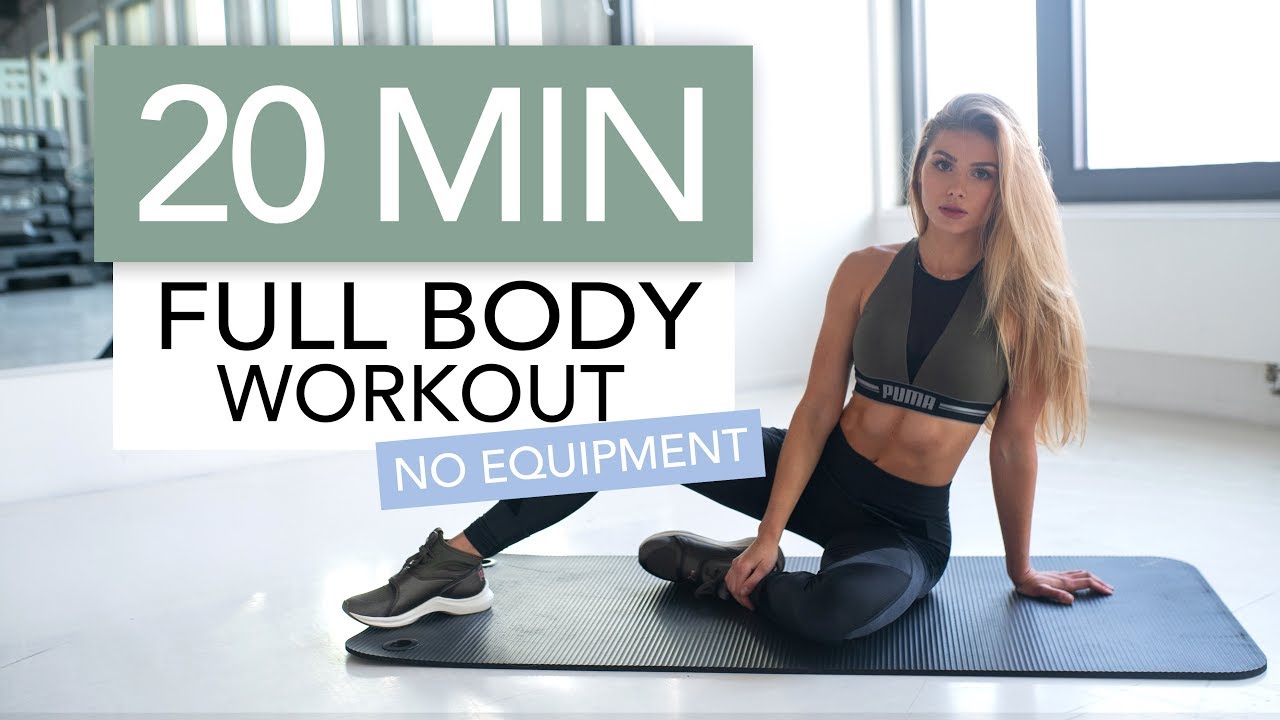
▶️ Watch: 45-Minute Full Body Strength Workout
75 Medium Diet & Nutrition
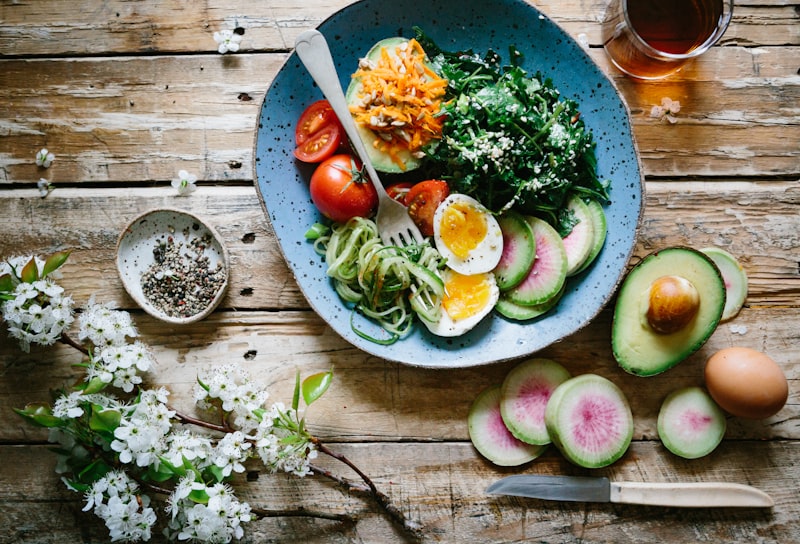
The 90% diet rule is one of 75 Medium's most appreciated features. Here's how to make it work:
Understanding the 90% Rule
If you eat 3 meals per day for 75 days, that's 225 meals total. At 90% adherence, you can have 22-23 off-plan meals over the entire challenge — roughly 2-3 per week.
How to use your 10% wisely:
- Save them for social events and special occasions
- Spread them out rather than clustering
- Make them count — don't waste on mediocre food
- Don't use them as excuses for binges
Recommended Eating Approaches
Choose a sustainable eating approach that aligns with your goals:
For weight loss: Focus on calorie deficit with adequate protein (0.7-1g per pound of body weight)
For muscle gain: Slight calorie surplus with high protein (1-1.2g per pound)
For general health: Mediterranean-style eating with whole foods emphasis
Quick Meal Planning Tips
- Prep protein in bulk on weekends
- Stock up on frozen vegetables for convenience
- Plan your flexible meals in advance
- Keep healthy snacks readily available
- Learn 5-7 simple recipes you can rotate
Detailed nutrition resources:
Mindset & Mental Strategies

The mental aspect of 75 Medium is just as important as the physical. Your daily mindfulness practice and overall approach to the challenge determine whether you finish — and whether the changes last.
Building Mental Toughness
Mental toughness isn't about never struggling — it's about continuing despite the struggle. Key strategies include:
- Focus on one day at a time: Don't think about Day 75 on Day 1
- Prepare for hard days: They will come; plan how you'll handle them
- Celebrate small wins: Acknowledge daily completions
- Reframe setbacks: A difficult day is a learning opportunity
- Connect to your "why": Remember why you started when motivation fades
Daily Mindfulness Options
Your 5-10 minute practice can take various forms:
- Guided meditation: Use apps like Headspace or Calm
- Breathing exercises: Box breathing, 4-7-8 technique
- Journaling: Morning pages, gratitude lists, reflection prompts
- Prayer: For those with spiritual practices
- Mindful movement: Slow yoga or tai chi
Explore our 75 journaling prompts — one for each day.
▶️ Watch: 5-Minute Daily Meditation for Positive Energy
Progress Tracking & Photos
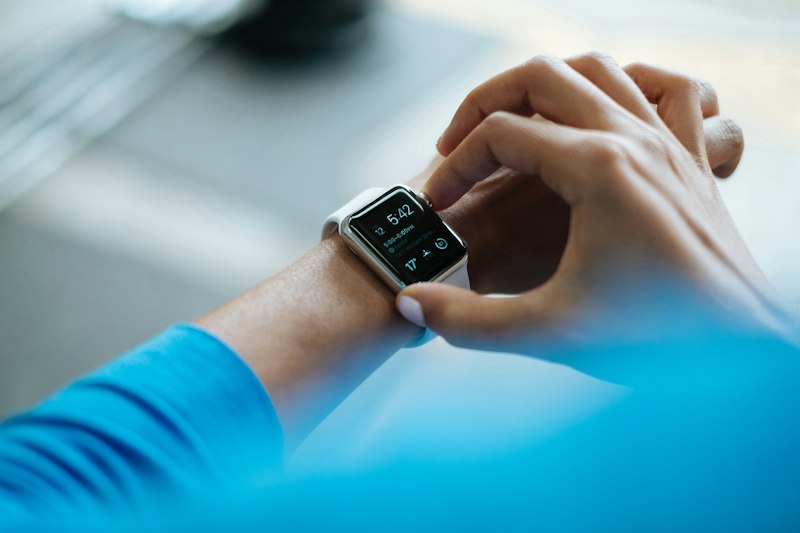
Effective tracking keeps you accountable and lets you see progress that might otherwise go unnoticed.
Daily Tracking System
Track these six items daily:
- Workout completed (type, duration, notes)
- Diet adherence (on-plan or flex meal)
- Water intake
- Pages read
- Mindfulness practice
- Progress photo taken
Use our free printable tracker template or find the best tracking apps.
Progress Photo Best Practices
- Same time of day (morning is best)
- Similar lighting and location
- Consistent clothing or lack thereof
- Front, side, and back angles
- Same pose each time
Get detailed guidance in our progress photo guide.
Common Mistakes to Avoid

Learn from others' experiences. These are the most common pitfalls:
1. Starting Too Intensely
Many people begin with extreme workout intensity or overly restrictive diets. This leads to burnout, injury, or failure by week two. Start at about 70% of what you think you can handle, then gradually increase.
2. Not Planning Ahead
Without meal prep and workout scheduling, you're relying on daily willpower. Plan your week every Sunday to remove daily decision-making.
3. Ignoring Recovery
Rest days aren't laziness — they're part of the program. Include flexibility work, light activity, or full rest days to prevent overtraining. See our guide on avoiding overtraining.
4. Perfectionism
The 90% diet rule exists because perfection isn't sustainable. If you use a flex meal, don't spiral into guilt or decide you've "ruined" everything. Move on.
5. Going It Alone
Accountability dramatically increases completion rates. Join a community group or find an accountability partner.
6. Skipping the Mental Work
The mindfulness requirement might seem optional, but it's often what separates those who finish from those who quit. Don't skip it.
Real Results & Transformation Stories
Thousands of people have completed the 75 Medium Challenge. Here are typical results and real stories:
Typical Physical Results
- Weight loss: 10-25 pounds (varies by starting point and diet)
- Body fat reduction: 3-5% decrease
- Muscle gain: Noticeable improvement in definition and strength
- Improved endurance: Significant cardiovascular fitness gains
Typical Mental/Lifestyle Results
- Established daily workout habit
- Improved relationship with food
- Better sleep quality
- Increased mental clarity
- Higher self-confidence
- New knowledge from books read
"I lost 18 pounds in 75 days, but more importantly, I broke a 10-year cycle of starting and quitting fitness programs. The moderate approach of 75 Medium was the key — I never felt like I was torturing myself, so I never wanted to quit." — Jennifer T., completed March
Read more transformation stories and see our week-by-week results timeline.

▶️ Watch: Inspiring Body Transformation Journey
Frequently Asked Questions
What happens if I miss a day?
Unlike 75 Hard's strict restart rule, 75 Medium allows some flexibility. If you miss one task, you have options: restart from Day 1 for the full mental challenge, or continue with increased focus. Choose the approach that will serve your long-term growth best.
Can I split my workout into two sessions?
Yes. While one continuous 45-minute session is ideal, splitting into two 22-23 minute sessions is acceptable if your schedule demands it.
Do audiobooks count for the reading requirement?
Generally no. The reading rule is designed to practice focused attention that comes from reading text, which audiobooks don't provide in the same way.
Can I drink alcohol on 75 Medium?
In moderation, yes. Unlike 75 Hard, occasional alcohol is permitted as part of your 10% flexibility. However, excessive drinking will undermine your results.
What if I'm sick or injured?
Listen to your body. Light movement (walking, gentle yoga) can count as your workout when ill. For injuries, consult a professional and modify as needed — the goal is lifelong health, not a 75-day medal at the cost of your body.
Is 75 Medium suitable for beginners?
Absolutely. The challenge is designed to be accessible. Start with lower-intensity workouts and build up. See our beginner's guide.
Have more questions? Visit our complete FAQ page.
Conclusion: Your 75-Day Journey Starts Now
The 75 Medium Challenge offers something rare in the fitness world: a program that's genuinely challenging while remaining sustainable for real people with real lives. You won't become a superhuman in 75 days, but you will become someone who shows up for themselves daily — and that's the foundation of lasting transformation.
What makes 75 Medium work isn't any single rule — it's the combination of physical activity, nutrition awareness, mental cultivation, continuous learning, and daily accountability. Together, these elements create compound effects that change not just your body, but your identity as someone who takes care of themselves.
?? Ready to Begin?
Your transformation starts with a single day. Choose your start date, define your diet plan, schedule your workouts, and commit to 75 days of showing up for yourself. The person you'll be on Day 76 is waiting.
Continue Your Journey
Explore our complete library of resources to support your 75 Medium Challenge:
- Rules & Setup: Detailed Rules Guide | 75-Day Planner
- Workouts: Complete Workout Guide | Beginner Plan
- Nutrition: Diet Guide | Weight Loss Meal Plan
- Mindset: Mental Strategies | Daily Prompts
- Tools: Free Tracker | Best Apps
- Community: Find an Accountability Partner
We're here to support you every step of the way. Your 75-day transformation starts now. ??